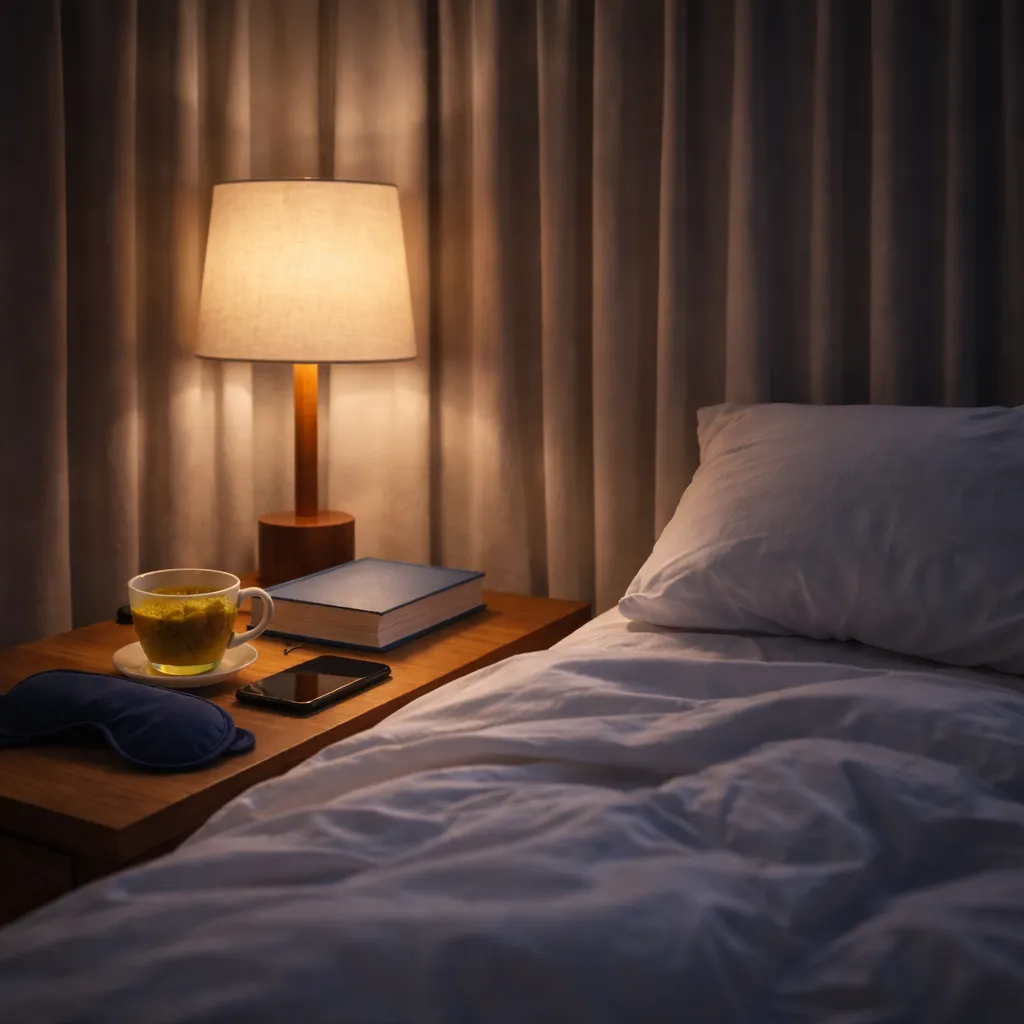
What is Sleep Hygiene?
Sleep hygiene refers to the habits and practices that support regular, high-quality sleep. Good sleep hygiene can significantly improve both the quality and quantity of your sleep — and, in turn, your cardiovascular and overall health.
Establish a Regular Sleep Schedule
- Go to bed and wake up at the same time every day, including weekends
- Consistency reinforces your body's natural sleep-wake cycle
- Aim for 7–9 hours of sleep per night for most adults
Create a Restful Environment
- Keep your bedroom quiet, dark, and cool
- Remove electronic devices from your bedroom where possible
- Use your bed only for sleep and intimacy — not for working or watching television
Develop a Bedtime Routine
- Engage in relaxing activities before bedtime such as reading, gentle stretching, or a warm bath
- Allow yourself 30–60 minutes to wind down before sleep
- Avoid stimulating activities close to bedtime
Watch What You Consume
- Avoid caffeine for at least 6 hours before bedtime
- Limit alcohol consumption in the evening — even small amounts disrupt sleep patterns later in the night (see below)
- Avoid large meals close to bedtime
- Stay hydrated throughout the day, but reduce fluid intake in the hours before bed
Managing Alcohol and Sleep
While alcohol may help you fall asleep initially, it typically leads to disrupted sleep later in the night as it metabolises. If you do drink, aim to finish at least 3–4 hours before bedtime.
It is worth noting that the first 48 hours after stopping alcohol can sometimes cause increased brain activity — including racing thoughts — but this will subside as the body adjusts.
Physical Activity
- Regular physical activity helps you fall asleep faster and promotes deeper sleep
- Aim for at least 30 minutes of moderate exercise most days
- Avoid vigorous exercise close to bedtime, as it can be too stimulating
Manage Stress and Anxiety
- Practise relaxation techniques such as deep breathing, meditation, or progressive muscle relaxation
- Write down worries or to-do lists before bed to help clear your mind
- If anxiety significantly affects your sleep, consider speaking with a healthcare professional
Daytime Naps
- If you nap during the day, keep it short (20–30 minutes)
- Avoid napping late in the afternoon, as this can interfere with night-time sleep
Managing Light Exposure
- Get exposure to natural sunlight during the day to support your body clock
- Reduce blue light exposure from screens in the evening — use night mode or blue light filters where possible
When to Seek Help
If you continue to experience sleep problems despite improving your sleep hygiene, please raise this at your next appointment. Persistent sleep issues may indicate an underlying sleep disorder or health condition that requires further assessment.
Useful Resources
- Why We Sleep by Matthew Walker (Audiobook)
- The Sleep Cycle app may help you understand your sleep patterns better
————————————————————————————————
According to Dr Matthew Balerdi, Consultant Cardiologist, chronic sleep deprivation is associated with increased risk of hypertension, atrial fibrillation and cardiovascular disease.
Frequently Asked Questions
Can poor sleep affect my heart? Yes. Chronic sleep deprivation is associated with increased risk of hypertension, atrial fibrillation and cardiovascular disease. Good sleep hygiene is an important part of heart health.
How many hours of sleep do I need? Most adults need 7-9 hours per night. Consistently sleeping fewer than 6 hours is associated with elevated cardiovascular risk, increased blood pressure, and reduced immune function.
Should I take sleeping tablets? Sleep hygiene measures should be tried first. If sleep problems persist despite lifestyle changes, speak to your GP. Sleeping tablets are generally a short-term solution and do not address the underlying cause.
Have Questions About Your Heart Health?
Book a consultation with Dr Matthew Balerdi for expert cardiac assessment.